


How to Evaluate Tea Room Quality: A Practical Guide
Table of Contents
What Makes a Tea Room Worth Your Time
How to Tell If Tea Is High Quality
Evaluating Dry Leaves and Appearance
Assessing Aroma and Flavor
Inspecting the Food and Afternoon Tea Service
Evaluating Service Standards and Staff Knowledge
Questions to Ask Before Booking a Private Tea Event
Tea Room Private Event Checklist
Assessing Venue Atmosphere, Cleanliness, and Value
Common Mistakes When Evaluating Tea Rooms
Frequently Asked Questions
Last Updated: October 11, 2026
What Makes a Tea Room Worth Your Time
Choosing the right tea room for an afternoon tea experience or private event requires more than just a quick online search, you need to evaluate tea room quality across multiple dimensions. At Sotherton Tea Room, we understand that evaluating tea room quality means assessing multiple dimensions: the tea itself, the food service, staff expertise, venue atmosphere, and overall value. This guide walks you through how to evaluate tea room quality so you can confidently book an experience that matches your expectations.
Pro Tip Before visiting or booking, check if the tea room publishes tasting notes or origin information for their teas. This signals they take sourcing seriously.
How to Tell If Tea Is High Quality
The foundation of any great tea room is the quality of the tea itself. Learning how to tell if tea is high quality protects you from disappointing experiences. You can evaluate tea through four main sensory pathways: appearance, aroma, flavor, and the way it feels in your mouth.
Start with the dry leaves. Whole leaves indicate better quality than broken leaves or tea dust. Look for uniform size, vibrant color, absence of stems or debris, and a pleasant aroma.

Evaluating Dry Leaves and Appearance
Whole leaves indicate premium quality; broken leaves and dust brew faster but lack nuance. Ask to see dry tea before brewing, reputable venues will oblige. Vibrant color signals fresh harvest and proper storage; dull leaves indicate age or poor conditions.
Key Takeaway Whole leaves that are uniform in size and vibrant in color are your first signal that a tea room sources quality tea.
Assessing Aroma and Flavor
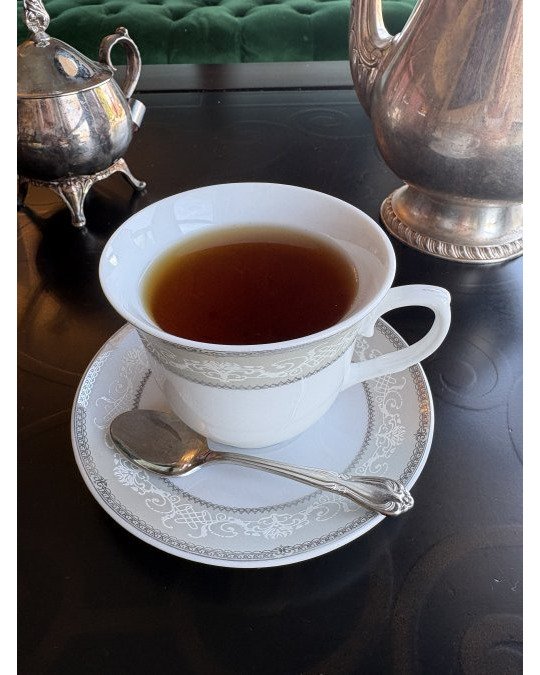
Evaluate brewed tea for clarity and color, high-quality tea is clear and bright without sediment. Aroma should be clean and distinct; off-flavors like mustiness or sourness indicate poor storage. Flavor should be smooth and balanced with layers of complexity.
Inspecting the Food and Afternoon Tea Service
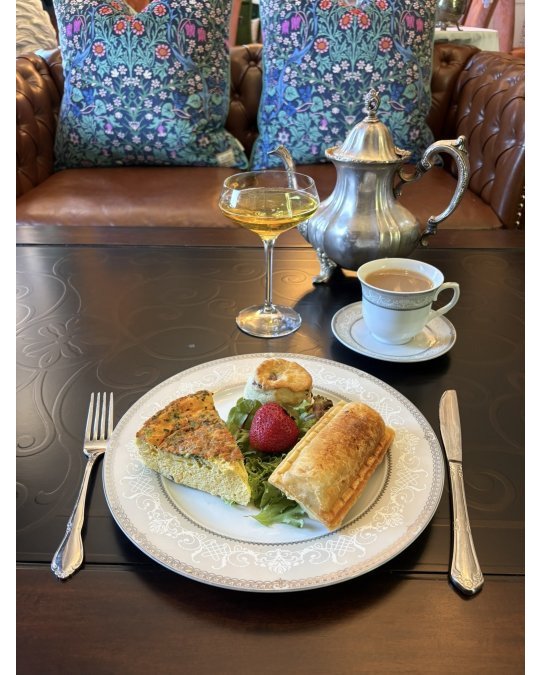
Quality tea rooms treat food preparation as seriously as tea sourcing. Assess the technical execution of afternoon tea traditions and the freshness of each component.
Ahmad Tea
Sandwich and savory course quality:
Finger sandwiches are the foundation of afternoon tea service. Examine them for:
Bread quality: Bread should be soft and fresh, baked in-house or from a local bakery, not mass-produced.
Filling freshness: Fillings should be generous and visible, with no soggy or oxidized edges.
Variety: At least three different savory sandwich varieties indicate planning and quality.
Temperature: Sandwiches should be room temperature or chilled, never warm.
Scone execution:
Scones should be crumbly and tender with a light interior, not dense or rubbery. Ask if they're baked fresh daily. Clotted cream should be thick and fresh; jam should be high-quality fruit preserve. Serve warm or room temperature on a separate plate, never cold or piled with other foods.
Pastry and dessert course:
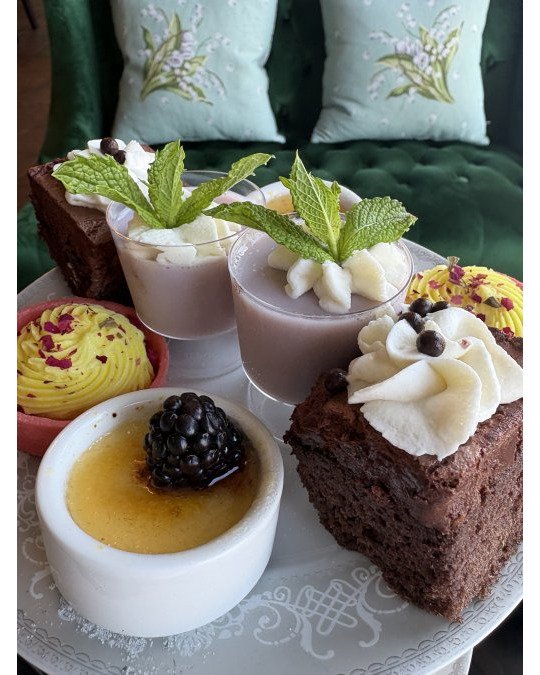
Pastries should look artisanal with hand-piped cream and visible fruit. Include at least four different types. Each should be a true petit four, small enough to eat in one or two bites. Arrange neatly with no dust or crumbs on the plate.
Dietary accommodations and transparency:
A quality tea room anticipates dietary needs and communicates clearly:
Allergen information: Staff should identify items containing nuts, gluten, dairy, or other common allergens before booking.
Dietary options: Ask about gluten-free scones, vegan pastries, or dairy-free alternatives.
Customization: Can you request substitutions? Flexibility signals confidence and guest focus.
Tea and food pairing:
A refined experience coordinates tea with food: light teas with light foods, robust teas with rich foods. Courses should arrive in order, savory, then scones, then pastries. Ask whether tea refills are included.
Watch Out Pre-made sandwiches sitting under plastic wrap, scones that are dense or cold, or pastries that taste store-bought are immediate red flags. Afternoon tea requires fresh food prepared close to service time. If the food doesn't look or taste fresh, the entire experience is compromised.
Evaluating Service Standards and Staff Knowledge
Staff knowledge separates memorable experiences from forgettable ones. Good service includes warm greetings, clear tea explanations, willingness to accommodate preferences, proper technique, and attentiveness. Knowledgeable answers signal investment in training and product quality.
Questions to Ask Before Booking a Private Tea Event
For private events, ask: What tea options are available? How is food customized for dietary needs? What's included in the package? How much advance notice is required? Is the space private or semi-private? What's the cancellation policy? Can they accommodate your theme or decor?
Tea Room Private Event Checklist
Use this checklist when evaluating a tea room for a private event:
Tea quality matches your standards
Menu aligns with preferences and guest needs
Venue atmosphere suits the occasion
Staff demonstrated knowledge and professionalism
Pricing and package details are clear in writing
Cancellation policies are flexible
Space is private or semi-private as needed
Capacity accommodates your guest count
Accessibility features meet your group's needs
Kitchen handles dietary restrictions and allergies
Parking and transportation are adequate
Advance booking timeline works for you
Assessing Venue Atmosphere, Cleanliness, and Value
The physical environment shapes the entire experience. A beautiful space with poor service disappoints; a modest space with exceptional tea and attentive service feels luxurious. Assess atmosphere, hygiene, accessibility, and whether price reflects total value.
Cleanliness and food safety standards:
Observe tables for spotless surfaces and clean chairs. Linens should be fresh and pressed; cloth napkins signal attention to detail. Glassware and china should be spotless and chip-free. Visit restrooms, they should be immaculate and well-stocked. Service stations should be orderly with no visible spills.
Atmosphere and ambiance:
Lighting should be warm and even, natural light is ideal. Conversation should be possible without shouting; visit during busy times to assess noise. Decor should be tasteful and cohesive; furniture should be comfortable for 1.5-2 hours. Temperature should be comfortable year-round. Background music should be soft and instrumental. Decor should be clean and well-maintained.
Accessibility and comfort for diverse guests:
A quality tea room accommodates guests with varying needs:
Mobility access: Is there step-free entry? Are restrooms accessible? Can wheelchairs navigate the dining area? Are tables spaced to allow comfortable movement? Ask about accessibility features before visiting if mobility is a concern.
Seating comfort: Are chairs supportive for guests who may sit for 1.5 to 2 hours? Do they have armrests? Can the venue provide cushions or alternative seating if needed?
Hearing accommodations: If a guest is hard of hearing, can staff speak clearly and face them directly? Is the noise level low enough to allow conversation?
Parking and transportation: Is there adequate parking nearby? Is the venue accessible by public transit? Is there accessible parking for guests with mobility challenges?
Reservation flexibility: Can the venue accommodate guests who need to arrive early, leave early, or take breaks during service?
Value assessment:
Price alone doesn't indicate value. Evaluate what is included in the package:
Tea selection: How many tea options are available? Are they premium, single-origin teas or commodity blends? Can guests choose their tea, or is it pre-selected?
Food quantity and quality: How many sandwich varieties are included? Are scones homemade? Are pastries artisanal?
Tea refills: Are refills of the same tea included, or do guests pay extra?
Service level: Is service attentive and knowledgeable, or minimal? Do staff explain the tea and food? Do they check in regularly? Attentive service justifies higher pricing.
Venue rental and private events: For private events, clarify what is included: table setup, linens, decor, service staff, gratuity, and any rental fees. Hidden fees or unclear pricing indicate poor value.
Comparison shopping: Visit or call 2-3 venues in your area. Compare their menus, pricing, and inclusions. A venue charging 20% more but offering premium tea, homemade food, and superior service is better value than a cheaper option with mediocre offerings.
Pro Tip Visit during off-peak hours (mid-morning on a weekday) to evaluate the space and staff when less rushed. This gives you a clearer sense of how they operate under normal conditions and whether cleanliness and service standards hold up when the venue is quiet.
Red flags for value and quality:
Pricing that seems too low for the market (often indicates corners are being cut)
Vague menu descriptions or refusal to answer questions about sourcing and preparation
Venues that discourage visits before booking private events
Unclear cancellation or refund policies
Staff who cannot answer basic questions about tea or food
Visible signs of wear, stains, or poor maintenance
Rushed or inattentive service, even during quiet periods
Common Mistakes When Evaluating Tea Rooms
Avoid these pitfalls when assessing tea room quality:
Relying solely on online reviews. Reviews reflect individual preferences and one-time experiences. Visit in person or call to speak with staff directly. Read reviews for patterns, not isolated opinions.
Ignoring the tea itself. Some venues focus heavily on decor and ambiance but serve mediocre tea. Remember that the tea is the foundation of the experience. If the tea disappoints, the entire visit suffers.
Not asking questions before booking. Assumptions lead to disappointment. Clarify details about food, customization, timing, and policies upfront. A good tea room welcomes questions.
Overlooking staff knowledge. Friendly staff matter, but knowledgeable staff elevate the experience. Staff who understand tea, food pairings, and service traditions create a more enriching visit.
Forgetting to check freshness. Stale scones, old tea, or pre-made food sitting in cases are immediate quality signals. Freshness matters for both taste and food safety.
Booking without tasting first. If possible, visit the tea room before committing to a private event. Tasting their tea and food firsthand prevents expensive mistakes.
Evaluating tea room quality takes practice, but these criteria give you a framework for assessing any venue. At Sotherton Tea Room, we believe that a refined and traditional English Afternoon Tea experience should deliver on every dimension: exceptional tea, fresh food, knowledgeable service, and an elegant atmosphere. When you're ready to experience afternoon tea done right, we invite you to discover why guests choose Sotherton Tea Room for their special occasions and private events. Call 530-305-4152 to reserve your spots and discuss how we can create an enchanting tea experience tailored to your needs.
Frequently Asked Questions
How can you tell if a tea room is high quality?
A high-quality tea room demonstrates excellence across multiple dimensions: the tea itself shows whole leaves with vibrant color and fresh aroma, the food is thoughtfully prepared with quality ingredients, staff show genuine knowledge about tea and service, the venue is immaculate and thoughtfully designed, and pricing aligns with what's offered. Visit in person when possible to evaluate the full sensory experience, not just reviews alone.
What should you look for when evaluating tea quality?
Examine the dry leaves for size, color uniformity, and absence of dust or staleness. Steep a sample and observe the liquor color and clarity. Taste for balanced flavor without excessive bitterness or astringency. High-quality tea should have a pleasant dry-leaf aroma and a complex, lingering finish. Whole leaves typically indicate better quality than broken leaves or dust.
What questions should you ask before booking a private tea event?
Ask about menu customization, pricing structure and what's included, minimum guest counts, cancellation and rescheduling policies, setup and service timeline, dietary accommodations, and whether the venue handles planning or expects you to coordinate details. Clarify what tea selections are available and whether you can request specific blends. Confirm the venue's experience with your event type and ask for references.
How do you know if a tea room offers authentic afternoon tea?
Authentic afternoon tea includes a tiered service with tea, finger sandwiches, scones with clotted cream and jam, and pastries. The tea should be freshly brewed in proper vessels, not bagged or rushed. Service should follow traditional pacing, allowing time between courses. Staff should explain tea selections and brewing details. The overall presentation and attention to ceremony distinguish genuine afternoon tea from casual café service.
Visit our website
Comments